

Learning from practice in Tuscany – new ideas for circular models in textiles and the food industry
A delegation from Serbia visited Italy from 9 to 13 December 2025, travelling to the city of Florence and the Prato area in the Tuscany region, as part of an international study visit focused on best circular economy practices in the textile and food sectors. The visit was organised to provide participants with first-hand insight into solutions that help reduce waste, use resources more efficiently, and develop closed-loop material flows in production.
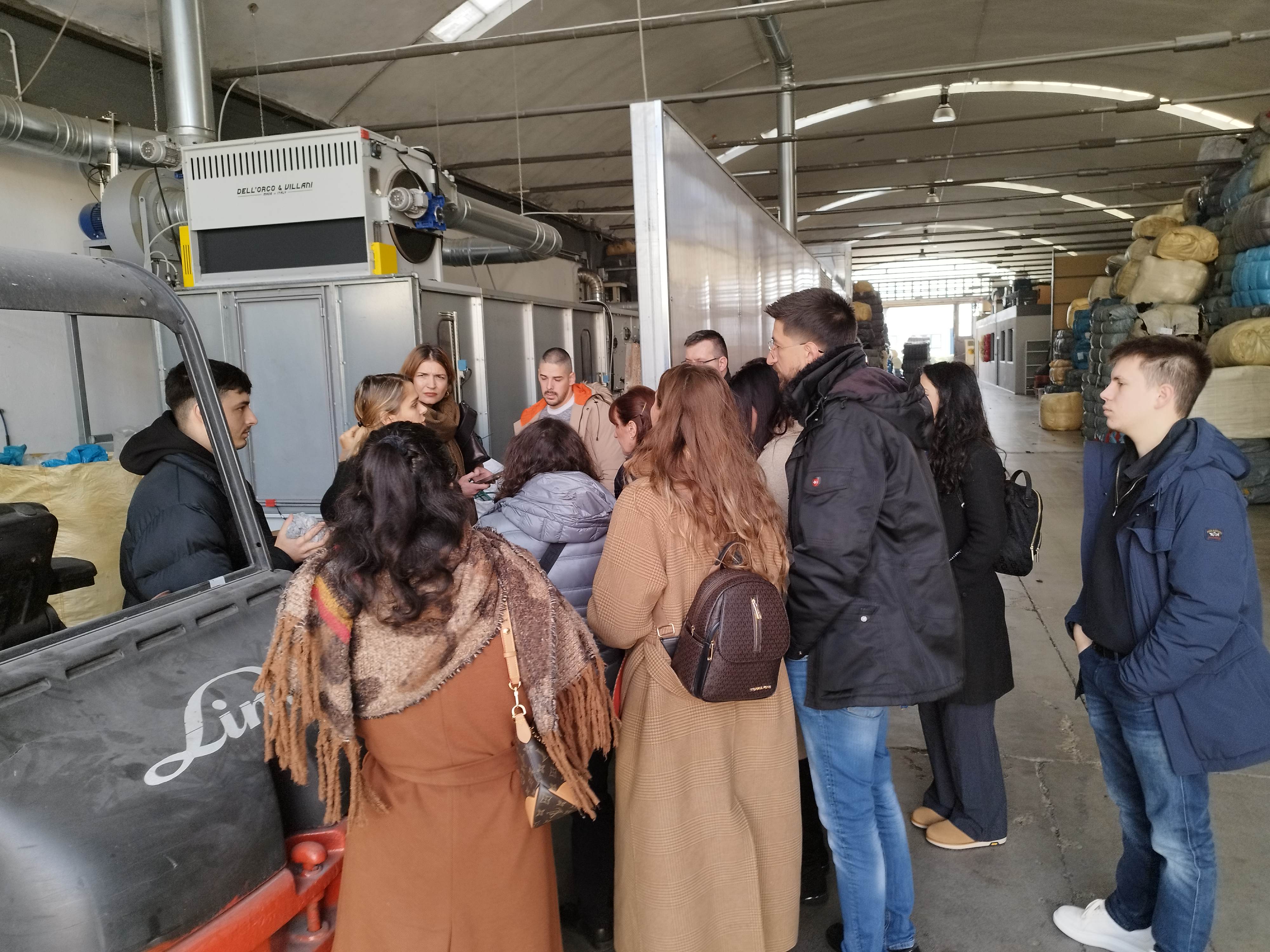
During the visit, the delegation met with key actors working on textile circularity in Prato, an area widely recognised for systems for collecting, sorting and regenerating fibres, as well as for collaboration models across the value chain. The programme included meetings and site visits with organisations and companies such as Association ASTRI, CORERTEX and Rifò, a visit to the Museo del Tessuto, and exchanges with manufacturers and innovators including Dell’Orco & Villani and H-earth.
In the part of the programme dedicated to the food sector, participants explored examples of sustainable production and food waste reduction through visits and presentations by organisations and companies such as Sfera Agricola, Italian Food S.p.A. (“Petti”) and Cooperativa Agricola Sociale Calafata.
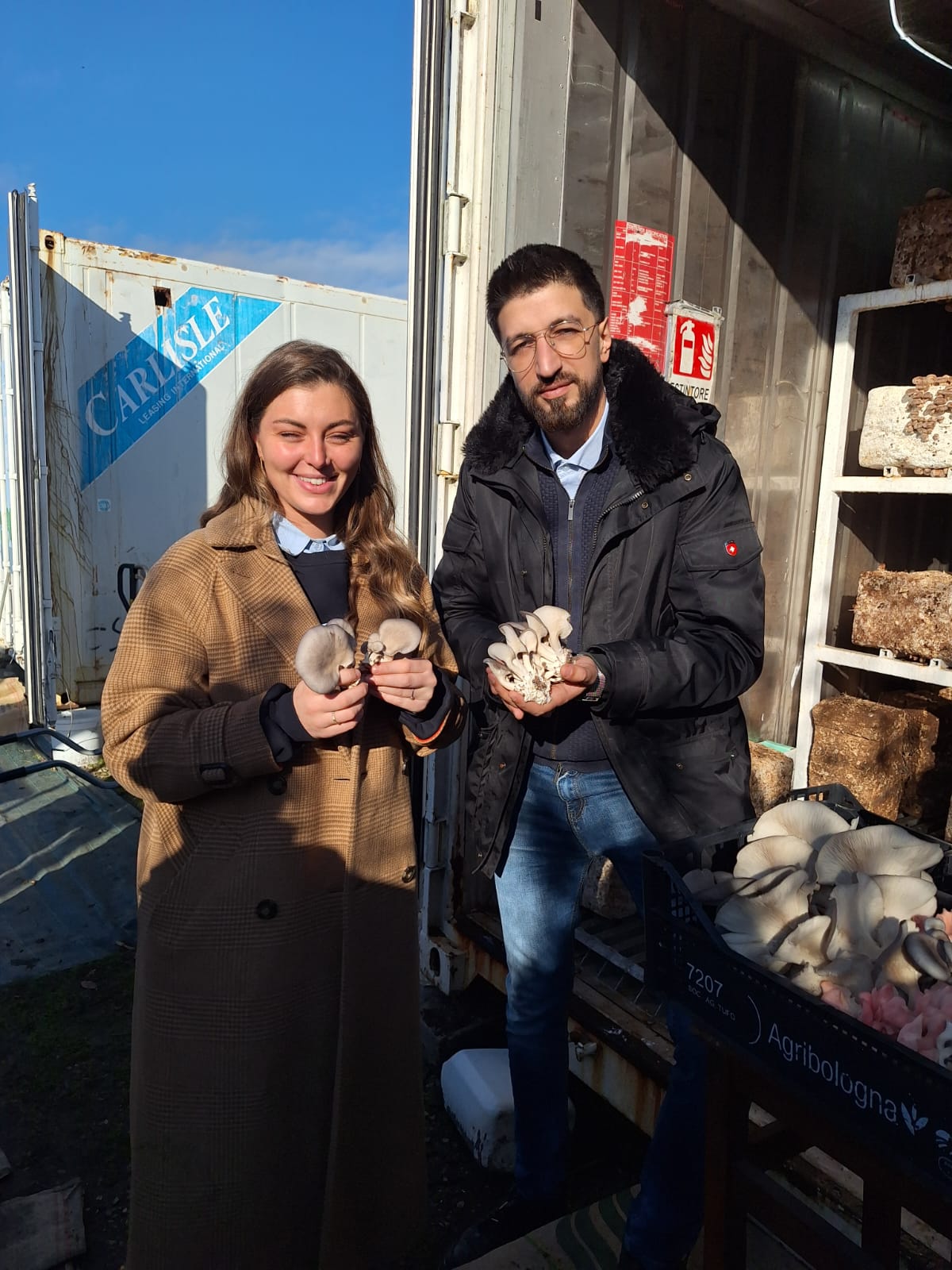
“We are very satisfied with the study visit, as we gained valuable knowledge and practical insights in the field of circular economy. We plan to apply the examples and experience in our work and share them with other companies, with the aim of protecting nature and raising awareness in our local community in Serbia,” said Šejla Ibrović, representative of Dax Intimo.
Jovica Živanović from Ribella Foods highlighted the immediate applicability of some solutions observed on the ground: “The most quickly applicable practice—and the one most similar to our production—was an example from a textile company that has a circular wastewater treatment system. The most useful part of the discussions was the exchange of practical experience and concrete examples from real production, with a strong focus on circularity.”
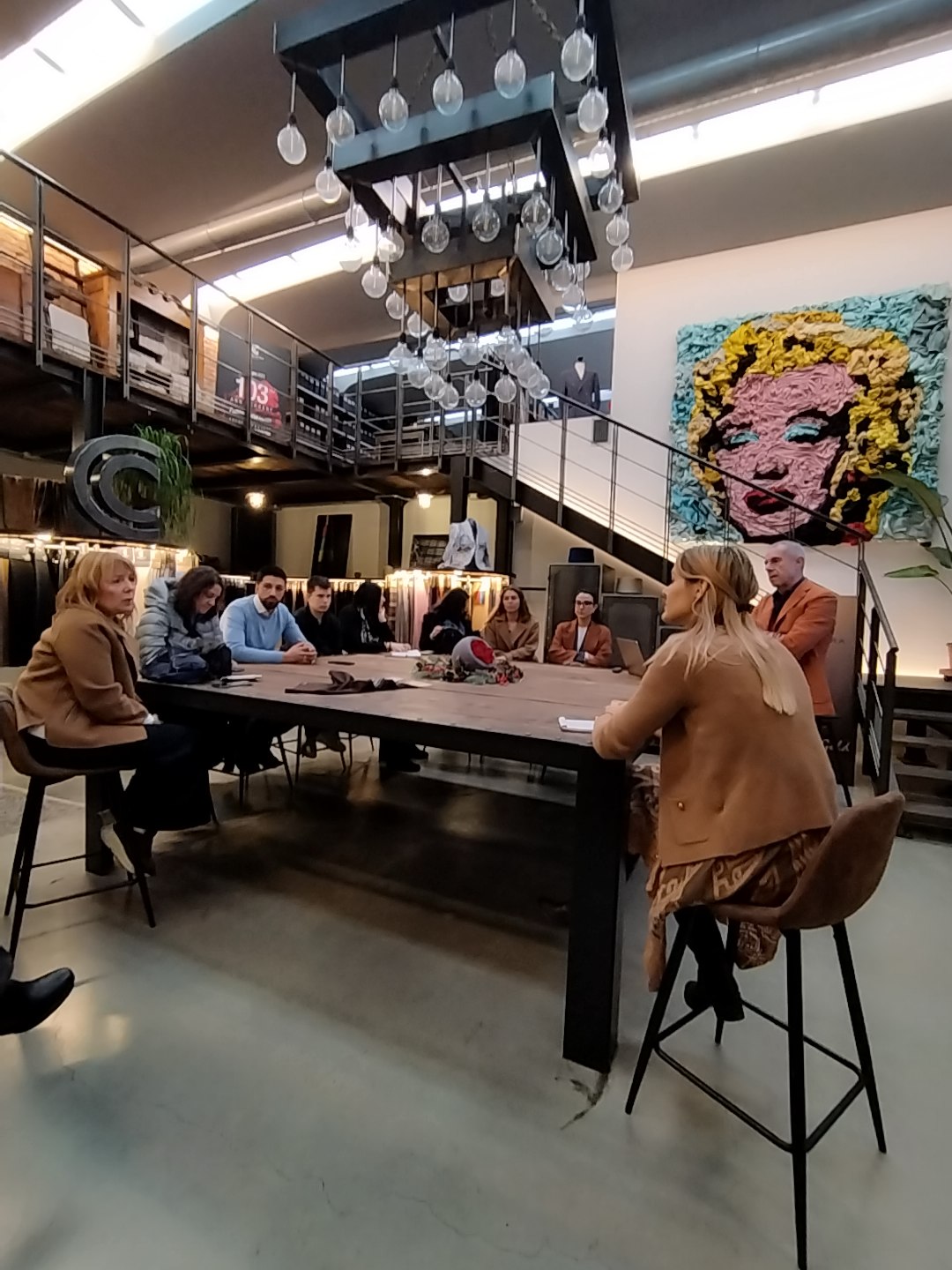
Participants included representatives of relevant institutions and sector stakeholders, including the Ministry of Environmental Protection, the FACTS Cluster and the Chamber of Commerce and Industry of Serbia, as well as selected companies involved in the project from the textile and food sectors: PS Fashion, Dax Intimo, Jasmil, Ribella Foods and Global Sistem Kooperativa (GSK).
The study visit was carried out within the “EU for Circular Economy in Serbia” project, implemented by the Ministry of Environmental Protection with financial support from the Delegation of the European Union to Serbia, and with technical assistance provided through the “EU for Circular Economy in Serbia” project implemented by NTU International and Global Factor.